Swiss Cantonal Licensing Impacts on Poker Variant Availability and Bonus Structures in Mobile Casino Applications
Kai Richter · Nov 11, 2026
Swiss Cantonal Licensing Impacts on Poker Variant Availability and Bonus Structures in Mobile Casino Applications
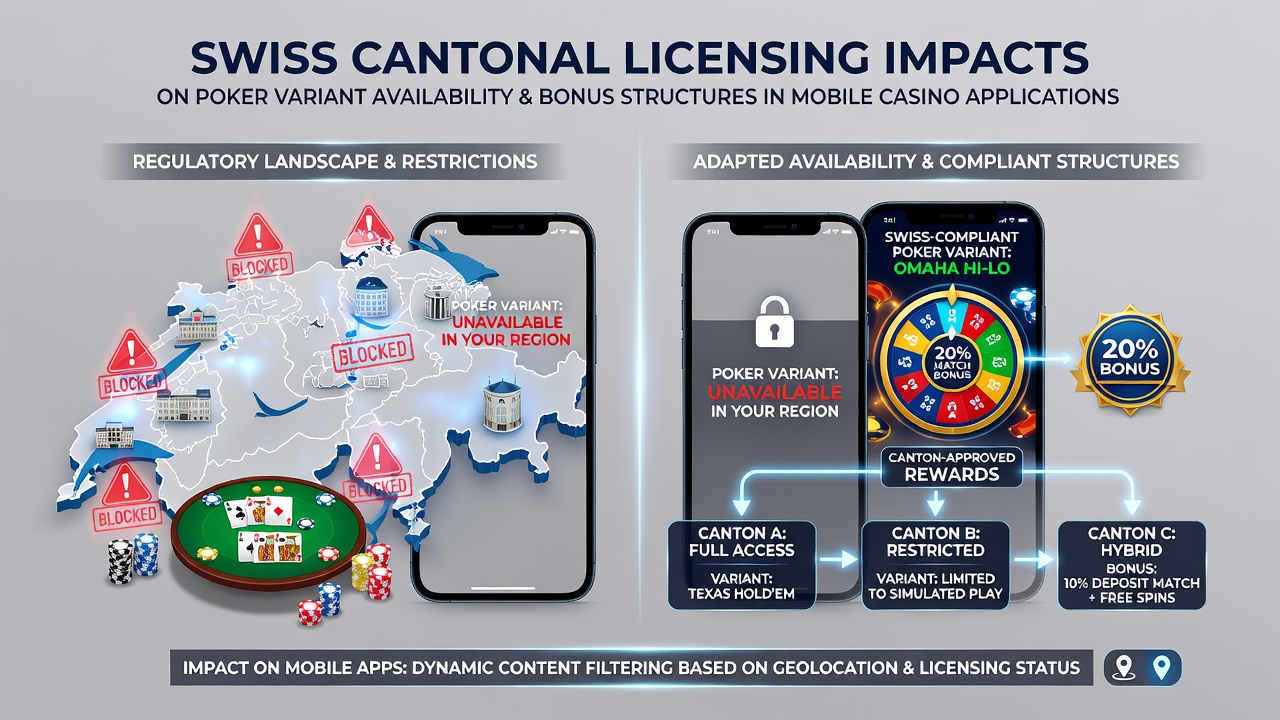
Switzerland operates a layered regulatory system where federal statutes set baseline standards for gambling while the 26 cantons retain authority over specific licensing conditions for mobile casino operators and the poker variants they may distribute within their jurisdictions, and this structure creates measurable differences in game availability and promotional mechanics that users encounter depending on their location.
Federal Foundations and Cantonal Authority
The Federal Act on Games of Chance and Casinos establishes core requirements for online platforms yet delegates implementation details to cantonal bodies that review applications and impose supplementary rules on product ranges and bonus configurations, which means operators must secure approvals that align with each canton's particular stance on poker formats and player incentives.
Data from licensing records shows that cantons such as Zurich and Geneva maintain stricter parameters on variant diversity compared with more permissive regions like Valais or Ticino, where platforms can introduce additional poker iterations without lengthy reapproval cycles.
Poker Variant Distribution Patterns
Mobile applications licensed under multi-cantonal frameworks typically default to Texas Hold'em and Omaha across all regions because these variants satisfy the most restrictive cantonal criteria, yet operators gain permission to activate Stud, Razz, or mixed-game rotations only after demonstrating compliance with local technical audits and responsible gaming protocols that differ from one canton to the next.
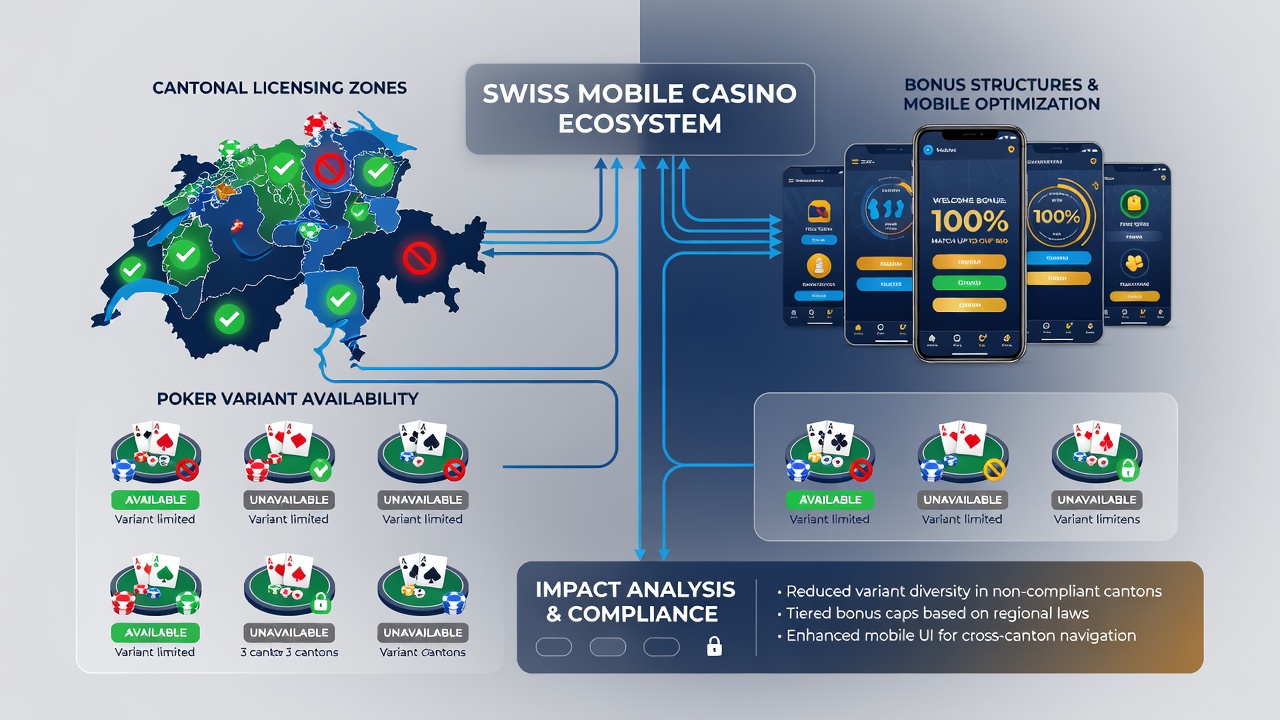
Figures released in November 2026 by several platform operators indicate that users in central cantons access an average of four distinct poker variants while those in eastern cantons encounter up to seven options within the same application, reflecting the direct influence of localized licensing conditions on content libraries.
Bonus Structure Variations by Canton
Promotional offers tied to poker play follow similar geographic patterns because cantons evaluate bonus structures for proportionality to actual gameplay rather than deposit size alone, and this evaluation process leads to caps on welcome bonuses or restrictions on rakeback percentages that apply exclusively within certain territories.
Operators report that deposit-match offers in western cantons often carry wagering requirements tied to specific poker hand volumes while northern cantons permit broader eligibility across all game types, creating situations where the same mobile application presents two different bonus menus to users based solely on their registered canton.
Operator Compliance Strategies
Companies holding licenses across multiple cantons deploy geo-fencing technology that automatically adjusts the displayed poker variants and active promotions to match the user's location at login, and this technical solution satisfies the requirement that each canton enforce its own rules without forcing operators to maintain entirely separate applications.
Industry reports from the European Gaming Association document that such location-aware systems reduce regulatory friction while preserving access to core poker experiences for the majority of Swiss users, although the exact mix of variants and bonuses remains canton-dependent.
Recent Developments in November 2026
Updates issued during November 2026 show several cantons revising their bonus evaluation guidelines to incorporate new metrics on player retention and average session length, changes that have prompted operators to recalibrate promotional structures in affected regions while leaving variant availability largely unchanged in most cases.
Observers note that these adjustments reflect ongoing efforts to balance commercial interests with cantonal oversight responsibilities without disrupting the overall availability of licensed mobile poker products.
Conclusion
The interplay between federal standards and cantonal licensing decisions continues to shape the precise poker variants and bonus configurations available inside Swiss mobile casino applications, producing a patchwork of offerings that operators manage through targeted compliance measures and location-based delivery systems.
Users who move between cantons or compare platforms across borders therefore encounter measurable differences rooted directly in these regulatory layers, and the pattern shows no sign of simplification in the near term according to current licensing data.